

Table Of Contents
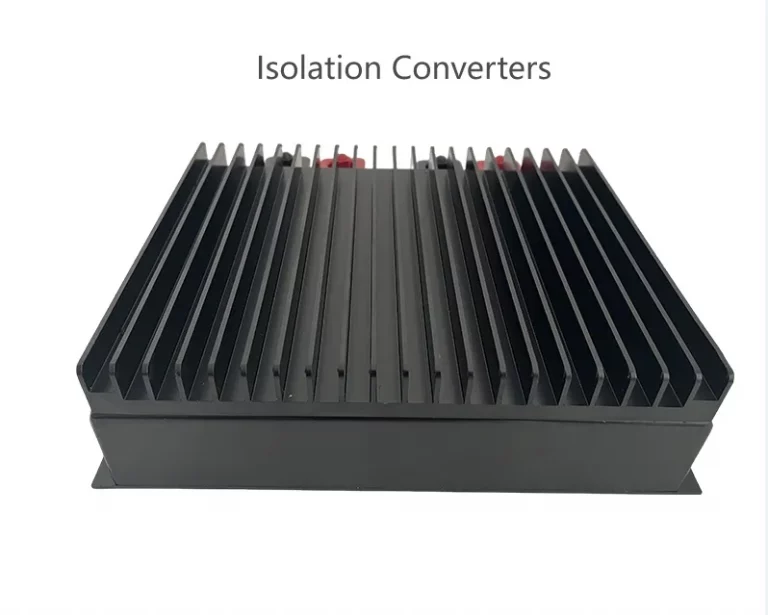
Main features of isolation converters:
1. Electrical isolation: The main function of a DC isolation converter is to achieve electrical isolation between input and output. This effectively prevents interference between input and output circuits and improves the stability and reliability of the system. For example, in some electronic devices that are sensitive to interference, such as medical equipment, precision measuring instruments, etc., DC isolation converters can ensure the normal operation of the equipment and avoid erroneous measurement results or performance of the equipment due to external interference.
2. Voltage conversion: A DC isolation converter can convert the input DC voltage into different output voltages. This is very useful in some application scenarios that require specific voltages, such as converting high voltages to low voltages to meet the working requirements of specific electronic components or circuits. At the same time, it can also achieve the functions of boosting and bucking, and adjust the voltage size according to actual needs.
3. Current isolation: In addition to electrical isolation, a DC isolation converter can also achieve current isolation between input and output. This is very important for protecting circuits and equipment from current shocks. For example, in some industrial control systems, DC isolation converters can prevent large currents from damaging the control system, which can effectively improve the safety of the system.
4. Signal transmission: In some communication and control systems, DC isolation converters can be used to isolate and transmit signals. It can isolate the input signal and then transmit it to the output end to ensure the accuracy and stability of the signal. At the same time, it can also realize functions such as signal amplification and filtering, greatly improving the quality of the signal.

The working principle of DC isolation converter is mainly based on transformer isolation or optocoupler isolation.
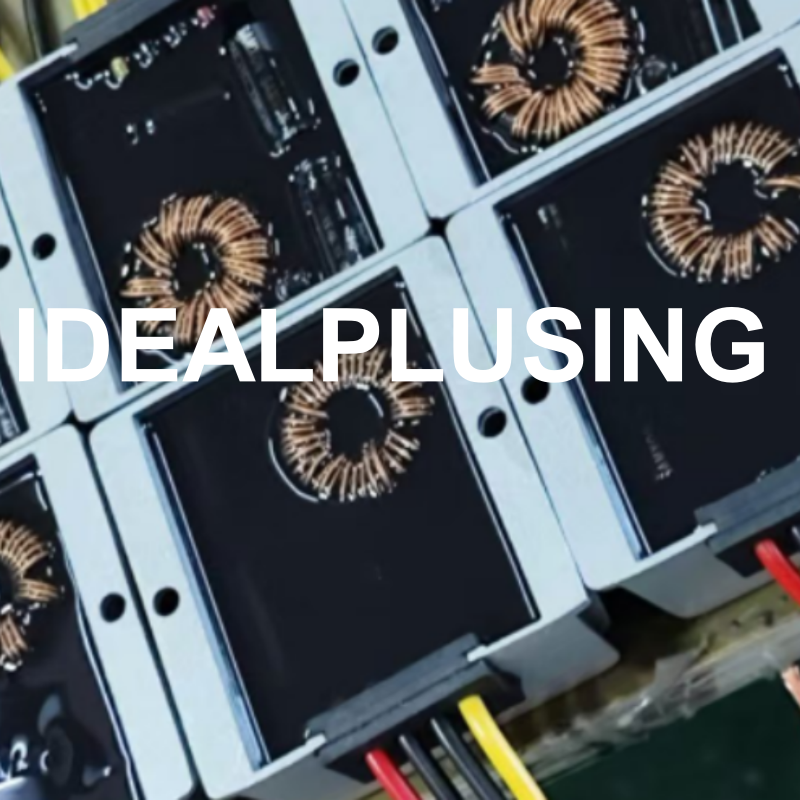
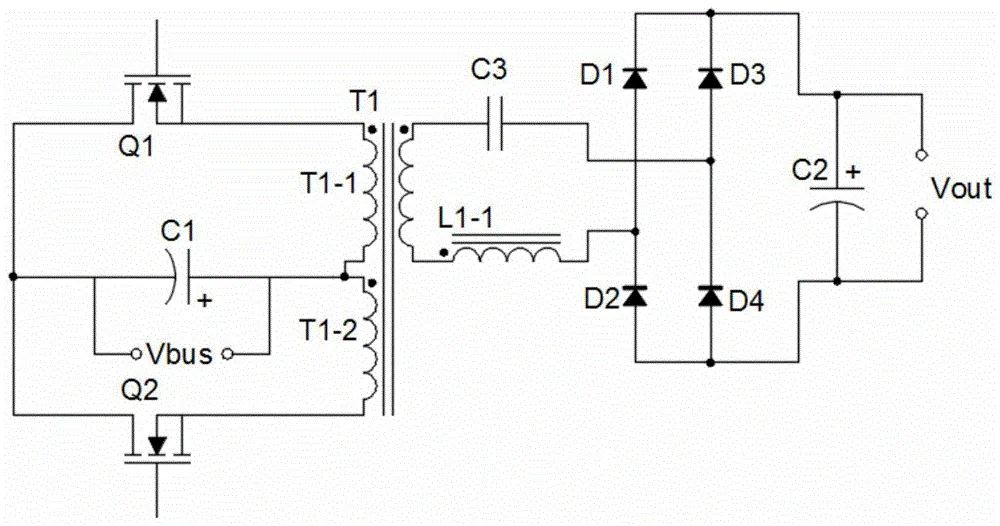
1. Transformer isolation: Transformer isolation is a common working principle of DC isolation converter. The input DC voltage is converted into a high-frequency AC signal through an oscillator and then loaded onto the primary winding of the isolation transformer. Through the electromagnetic induction of the transformer, the corresponding AC signal is induced on the secondary winding. Finally, the AC signal is converted into a DC output voltage through a rectifier and filter circuit. Transformer isolation can achieve higher isolation voltage and greater power transmission, but the volume will be relatively large.
2. Optocoupler isolation: Optocoupler isolation is another common working principle of DC isolation converter. The input DC voltage is converted into a current signal of the light-emitting diode in the optocoupler through a circuit, making the light-emitting diode emit light. The optical signal is transmitted to the phototransistor in the optocoupler through the isolation medium, turning it on or off, thereby converting the input signal into an output current signal. Finally, the current signal is converted into an output DC voltage through a resistor or other load. Optocoupler isolation has the advantages of small size, low cost, and good isolation effect. Its disadvantage is that the transmission speed is relatively slow.
Main application areas of DC isolation converters
Industrial automation: In the field of industrial automation, DC isolation converters are widely used in various control systems. For example, in systems such as PLC (programmable logic controller) and DCS (distributed control system), DC isolation converters can be used to isolate input and output signals to improve the system’s anti-interference ability and reliability. At the same time, conversion of different voltage levels can be achieved to meet the needs of different industrial equipment.
Power system: In the power system, DC isolation converters can be used to isolate high and low voltage circuits to protect the safety of electrical equipment and operators. For example, in a substation, a DC isolation transformer converts the DC signal on the high voltage side into a signal on the low voltage side for use by measurement, protection and control equipment. At the same time, signal isolation and transmission in the power system can be achieved to improve the stability and reliability of the system.

Medical equipment: Medical equipment has very high requirements for electrical safety and signal accuracy, and DC isolation converters play an important role in medical equipment. It can be used to isolate electrical signals between patients and medical equipment to ensure patient safety. At the same time, signal isolation and transmission in medical equipment can be achieved to improve the performance and reliability of the equipment.
Communication system: In the communication system, DC isolation converters can be used to isolate signals between different communication devices to prevent signal interference and noise. For example, in fiber-optic communication systems, DC isolation converters can convert optical signals into electrical signals and transmit them in isolation to improve signal quality and reliability. At the same time, in wireless communication systems, DC isolation converters can also be used to isolate RF signals from baseband signals to prevent RF interference from affecting baseband signals.
In short, DC isolation converters are very important electronic devices with functions such as electrical isolation, voltage conversion, current isolation, and signal transmission. They are widely used in industrial automation, power systems, medical equipment, communication systems, and other fields.
Thank you for reading. To learn more, please