
Table Of Contents

Common faults of DC-DC converters
Output voltage instability: Unstable output voltage is one of the common faults of DC-DC converters. Specifically, the output voltage fluctuates greatly and cannot meet the power supply requirements of electronic equipment. This fault may be caused by unstable input voltage, excessive load changes, damage to the internal components of the converter, etc.
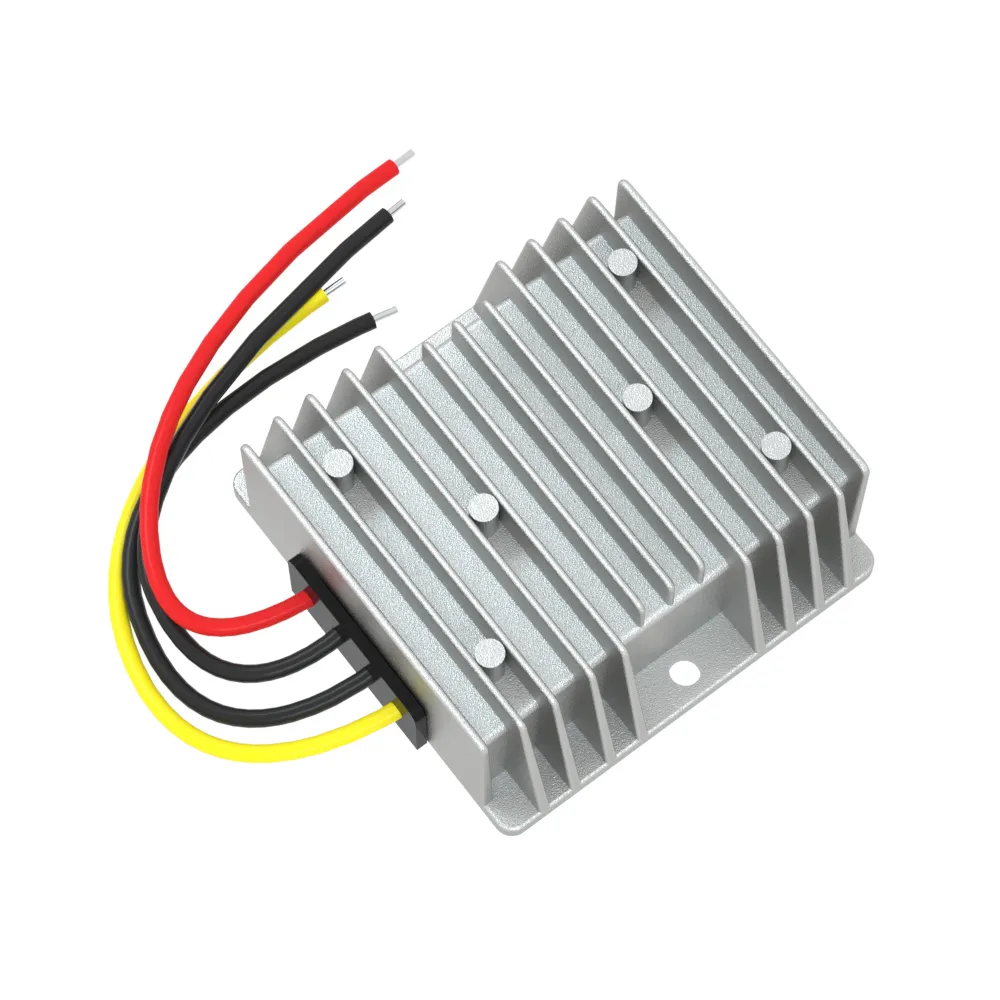
Overheat protection triggering: Overheat protection is a self-protection mechanism of DC-DC converters. When the internal temperature of the converter is too high, the overheat protection circuit will automatically cut off the output to avoid damaging the converter or causing safety accidents such as fire. Overheat protection triggering may be caused by insufficient heat sink, high ambient temperature, excessive load, etc.
Short circuit fault: Short circuit fault is one of the more serious faults in DC-DC converters. When a short circuit occurs at the output end of the converter, it will cause the internal current of the converter to increase sharply, which may damage the converter or cause safety accidents such as fire. Short circuit faults may be caused by welding problems on the circuit board, component damage, or external short circuits.
Unable to start: Unable to start is a common fault of DC-DC converters. Specifically, the converter cannot work properly and there is no output voltage. This fault may be caused by abnormal input voltage, improper drive of the start pin, damage to the internal components of the converter, etc.
Excessive ripple: Excessive ripple is a performance problem of DC-DC converters. Specifically, it is manifested as a large ripple voltage in the output voltage, which may affect the normal operation of electronic equipment. Excessive ripple may be caused by reasons such as low switching frequency and unreasonable filter circuit design.
Troubleshooting methods for DC-DC converters
Check the input voltage: When a DC-DC buck converter fails, first check whether the input voltage is normal. Use a multimeter to measure the value and stability of the input voltage to ensure that the input voltage is within the rated voltage range of the converter. If the input voltage is abnormal, check whether the power input line and the power module are working properly.
Check the start pin: For a DC-DC buck converter that cannot start, check whether the start pin is driven correctly. Make sure that the start pin is correctly connected and pulled up to the appropriate voltage value. If the start pin is not driven correctly, check whether the pin connection and the drive circuit are working properly.
Check the load condition: Excessive load changes may cause the output voltage of the DC-DC buck converter to be unstable or trigger overheating protection. Therefore, during the troubleshooting process, check whether the load condition is normal. If the load is too large, the load should be appropriately reduced or the output power of the converter should be increased.
Check the heat dissipation condition: The overheating protection may be triggered due to insufficient heat dissipation. During the troubleshooting process, check whether the installation and heat dissipation performance of the heat sink are normal. If the heat sink is faulty or the heat dissipation performance is insufficient, replace or add a heat sink in time to improve the heat dissipation effect.
Check the circuit board and components: For faults caused by short circuit faults and internal component damage, check whether the circuit board and components are normal. Use tools such as multimeters and oscilloscopes to detect whether there are abnormalities in the solder joints and components on the circuit board. For damaged components, they should be replaced in time to ensure the normal operation of the converter.
Check the filter circuit: Excessive ripple may be caused by unreasonable design of the filter circuit or damage to the filter components. During the troubleshooting process, check whether the design of the filter circuit and the components are normal. If the filter circuit design is unreasonable or the filter component is damaged, the filter circuit should be redesigned or the filter component should be replaced to reduce the ripple voltage.
Conclusion
By understanding the working principle of DC-DC buck converters and common faults and their troubleshooting methods, we can better understand and solve related problems and improve the stability and reliability of electronic equipment. At the same time, when using DC-DC buck converters, we should pay attention to following the relevant use and maintenance specifications to extend their service life and improve their performance.
Greetings, esteemed clientele. We specialize in customizing DC-DC converters to meet your specific requirements. With customized input and output voltage and current, our offerings range from 1V to 1000V and 1A to 1000A. We provide both isolated and non-isolated converter design options. Please visit our website and submit any inquiries to explore our capabilities further. Our dedicated team endeavors to respond within one hour. Thank you for considering our services.
Hot Sellers
Model:IPS-DTD80S15010
Input Voltage:80VDC±15%
Output voltage: 150VDC±1-2%
Output current : 10A
Design: Isolated